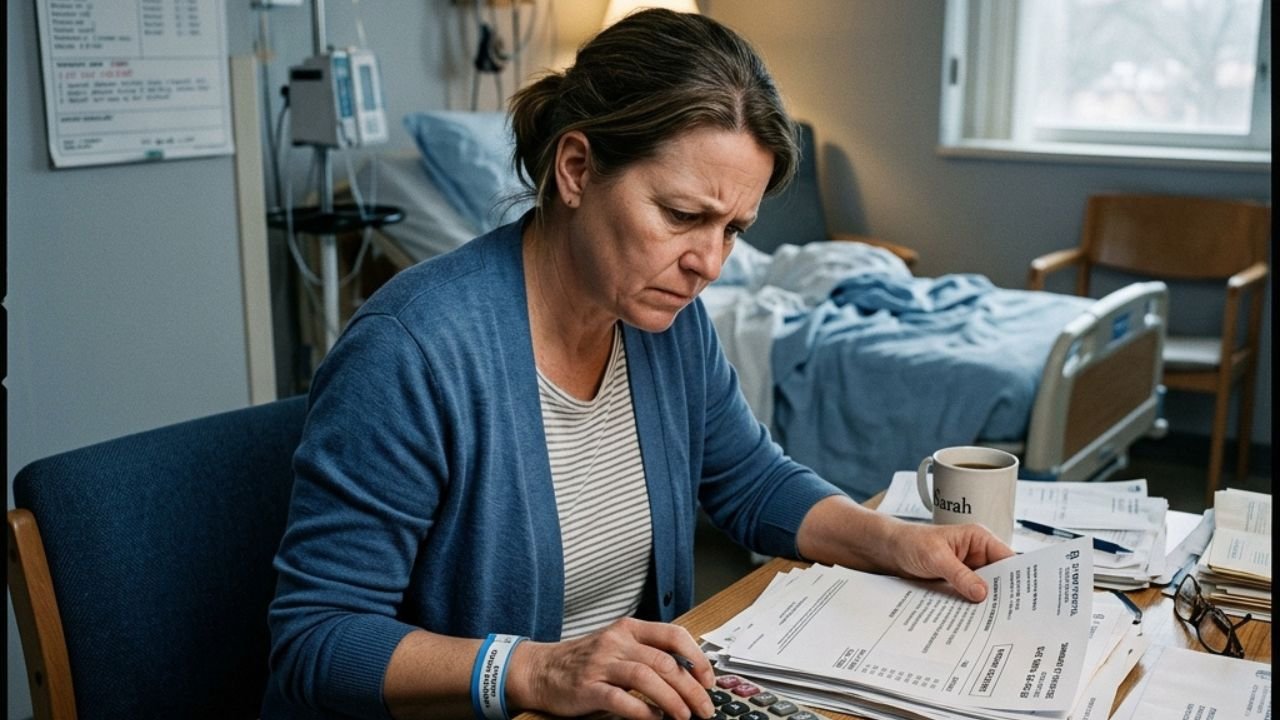
Hospital billing errors are surprisingly common in the USA—studies suggest the majority of medical bills contain at least one mistake. Common errors include duplicate charges, upcoding, and unbundling. Patients can dispute errors by requesting an itemized bill, reviewing it carefully, and contacting their provider’s billing department or a patient advocate.
You paid your deductible, got your procedure done, and then the bill arrived. Something doesn’t look right—a charge for a service you don’t remember receiving, a number that seems far too high, or a duplicate line item that appeared twice. Your instincts may be correct.
Medical billing errors are one of the most widespread and underreported financial issues facing American patients. According to a 2023 report by Experian Health, more than 80% of medical bills contain at least one error. The financial consequences can be severe: incorrect charges can result in inflated out-of-pocket costs, unexpected collections notices, and lasting damage to your credit score—all for care you either didn’t receive or already paid for.
The good news? Most billing errors can be disputed and corrected. But doing so requires knowing what to look for, understanding your rights, and acting quickly. This guide walks you through the most common types of hospital billing errors, how to identify them on your own bill, and the step-by-step process for getting them fixed.
Why Do Hospital Billing Errors Happen So Often?
Hospital billing is extraordinarily complex. A single inpatient procedure can generate dozens of individual charges across multiple departments—each coded separately, processed by different staff members, and submitted to insurance at different times. With that level of complexity, errors are almost inevitable.
Several factors drive the high error rate:
- Manual data entry mistakes: Billing departments handle enormous volumes of paperwork. A single digit entered incorrectly can change a procedure code entirely.
- Outdated systems: Many hospitals still rely on legacy billing software that doesn’t integrate cleanly with modern insurance databases.
- Miscommunication between departments: If a physician’s notes aren’t clearly transcribed, billing staff may code a procedure inaccurately.
- Insurance coordination issues: When multiple insurers are involved—such as Medicare alongside a private plan—errors in primary vs. secondary payer designation are common.
Understanding the root cause of billing errors helps you know where to look when reviewing your own bill.
What Are the Most Common Hospital Billing Errors?
Not all billing errors look the same. Here are the most frequently reported types:
Duplicate Charges
This occurs when a patient is billed twice for the same service—a medication dose administered once, for example, appearing twice on the bill. Duplicate charges are one of the easiest errors to spot when reviewing an itemized statement.
Upcoding
Upcoding happens when a provider bills for a more expensive procedure or service than the one actually performed. For example, a routine office visit coded as a complex consultation. Upcoding inflates costs for both patients and insurers, and in some cases, it can constitute fraud.
Unbundling
Some procedures are typically billed together as a package at a discounted rate. Unbundling separates these into individual line items, each charged at full price. The result: a significantly higher total bill for what should have been a single bundled service.
Incorrect Patient Information
A wrong date of birth, misspelled name, or incorrect insurance ID number can cause claims to be rejected or processed under the wrong policy. These administrative errors are simple in nature but can create significant delays and billing confusion.
Charges for Canceled or Uncompleted Services
If a test was ordered but never performed—or a procedure was scheduled but canceled—patients sometimes still receive a charge for it. This is more common than most people realize, particularly in emergency and inpatient settings.
Out-of-Network Billing Without Consent
Under the No Surprises Act, which took effect on January 1, 2022, patients are generally protected from unexpected out-of-network charges at in-network facilities. However, violations still occur. If you received care at an in-network hospital and were billed by an out-of-network provider you didn’t choose—such as an anesthesiologist or radiologist—you may have grounds to dispute the charge.
How to Read a Hospital Bill and Spot Errors
Most patients receive an Explanation of Benefits (EOB) from their insurer and a separate bill from the hospital. Reading both together is essential for identifying discrepancies.
Step 1: Request an Itemized Bill
Your first move should always be to request a fully itemized bill from the hospital’s billing department. This document lists every individual charge, including each medication, supply, and procedure, along with its corresponding billing code. You are legally entitled to this document—don’t accept a summary statement alone.
Step 2: Cross-Reference with Your EOB
Your insurer’s Explanation of Benefits shows what was billed, what was approved, and what you’re expected to pay. Compare it line by line against your itemized bill. Look for:
- Services that appear on the hospital bill but not on the EOB
- Amounts that differ between the two documents
- Services listed as “not covered” that you believe should be covered under your plan
Step 3: Verify Each Procedure Code
Medical billing uses standardized procedure codes known as CPT codes (Current Procedural Terminology). Each code corresponds to a specific service or procedure. If you’re unsure whether a code matches the care you received, the American Medical Association’s CPT Code Lookup tool (available at ama-assn.org) allows patients to search codes for free.
Step 4: Check Dates and Personal Information
Confirm that the dates of service match your actual treatment dates, and verify that your name, date of birth, and insurance information are all accurate throughout the bill.
Step 5: Flag Anything You Don’t Recognize
Write down every charge you cannot verify or don’t remember. Even if you’re unsure whether it’s an error, flag it for follow-up. You can always ask the billing department to explain a charge—they are required to provide documentation upon request.
How to Dispute a Hospital Billing Error: A Step-by-Step Process
Once you’ve identified a potential error, here’s how to move forward effectively.
Contact the Hospital’s Billing Department First
Start by calling the billing department directly. Explain each discrepancy calmly and ask for a written explanation. Many straightforward errors—like duplicate charges or incorrect patient information—can be resolved at this stage without escalation.
Keep a detailed record of every communication: the date, the name of the person you spoke with, and what was discussed. Ask for any agreements or corrections to be confirmed in writing.
File a Formal Written Dispute
If the issue isn’t resolved over the phone, submit a written dispute letter. Include:
- Your name, account number, and date of service
- A clear description of each disputed charge
- Supporting documentation (your EOB, itemized bill, and any relevant medical records)
- A specific request for correction or removal
Send the letter via certified mail so you have proof of delivery.
Contact Your Insurance Company
Your insurer has a vested interest in accurate billing—they’re often overpaying too. File a formal complaint with your insurer’s appeals or grievance department. Many insurers have dedicated teams to investigate billing disputes and can apply pressure on providers directly.
Invoke Your Rights Under the No Surprises Act
If your dispute involves unexpected out-of-network charges, you have specific protections under federal law. The No Surprises Act allows patients to initiate an independent dispute resolution process. Information on how to submit a complaint is available through the Centers for Medicare & Medicaid Services (CMS) at cms.gov.
Seek Help from a Patient Advocate
If the dispute is large or complex, a professional patient advocate or medical billing advocate can negotiate on your behalf. These specialists understand billing codes, insurer processes, and dispute procedures in detail. Some work on a contingency basis, meaning they only charge a fee if they recover money for you.
The Patient Advocate Foundation (patientadvocate.org) offers free case management services and can connect you with resources based on your situation.
File a Complaint with a State or Federal Agency
For unresolved disputes or suspected fraud, you can file a complaint with:
- Your state’s insurance commissioner (handles insurance-related disputes)
- The Consumer Financial Protection Bureau (CFPB) (for billing errors that have impacted your credit)
- The Office of Inspector General (OIG) (for suspected Medicare or Medicaid fraud)
What to Do If a Billing Error Has Already Gone to Collections
If an erroneous bill has been sent to a collections agency before you could dispute it, act immediately. Under the Fair Debt Collection Practices Act (FDCPA), you have the right to request debt validation within 30 days of first contact. Send a written validation request to the collections agency and simultaneously dispute the original charge with the hospital.
The Consumer Financial Protection Bureau finalized a rule in 2024 that would remove medical debt from credit reports—though its implementation has faced legal challenges. Regardless, disputing inaccurate medical debt with all three major credit bureaus (Equifax, Experian, and TransUnion) remains an option if incorrect charges are affecting your credit.
Protecting Yourself from Future Billing Errors
Prevention is easier than correction. A few habits can significantly reduce your exposure to billing errors:
- Always request an itemized bill, even for routine visits
- Review your EOB within 30 days of receiving care
- Keep records of every service, medication, and procedure you receive during a hospital stay
- Verify your insurance information is current before every appointment
- Ask questions before procedures—specifically whether all providers involved are in-network
Take Control of Your Medical Bills
Hospital billing errors cost American patients billions of dollars each year—but they are disputable, and patients who push back often win. The process takes time and persistence, but knowing your rights and following a clear process puts you in a strong position.
Start with an itemized bill. Cross-reference it with your EOB. Flag every discrepancy. Then work through the dispute process systematically, escalating when necessary. The financial stakes are high enough to make it worth the effort.
Frequently Asked Questions
How common are hospital billing errors in the USA?
Research consistently shows that the majority of medical bills contain errors. According to Experian Health’s 2023 data, more than 80% of medical bills include at least one mistake. These range from minor administrative errors to significant upcoding or duplicate charges.
Am I legally entitled to an itemized hospital bill?
Yes. Patients in the USA have the legal right to request a fully itemized bill from any healthcare provider. Hospitals are required to provide one upon request. Always ask for this document before paying any bill.
How long do I have to dispute a medical bill?
Timeframes vary by state and insurer, but most insurance plans allow 180 days (six months) from the date of service to file an appeal. For bills in collections, the Fair Debt Collection Practices Act gives you 30 days from first contact to request debt validation.
What is the No Surprises Act and how does it protect patients?
The No Surprises Act, effective January 1, 2022, protects patients from unexpected out-of-network charges when receiving care at in-network facilities. It covers emergency services and certain non-emergency services from out-of-network providers at in-network facilities. Patients who receive unexpected out-of-network bills can file a dispute through the CMS portal at cms.gov.
Can a billing error affect my credit score?
Yes. If an erroneous bill goes unpaid and is sent to collections, it can appear on your credit report. However, you have the right to dispute inaccurate medical debt with the three major credit bureaus. A 2024 CFPB rule aimed to remove medical debt from credit reports entirely, though its status remains subject to legal proceedings.
Should I hire a patient advocate to dispute a billing error?
For straightforward errors, most patients can resolve disputes independently. For complex cases—particularly those involving large sums, suspected fraud, or multiple insurers—a professional medical billing advocate can be a worthwhile investment. The Patient Advocate Foundation offers free case management services as a starting point.